
.jpeg&w=3840&q=75)
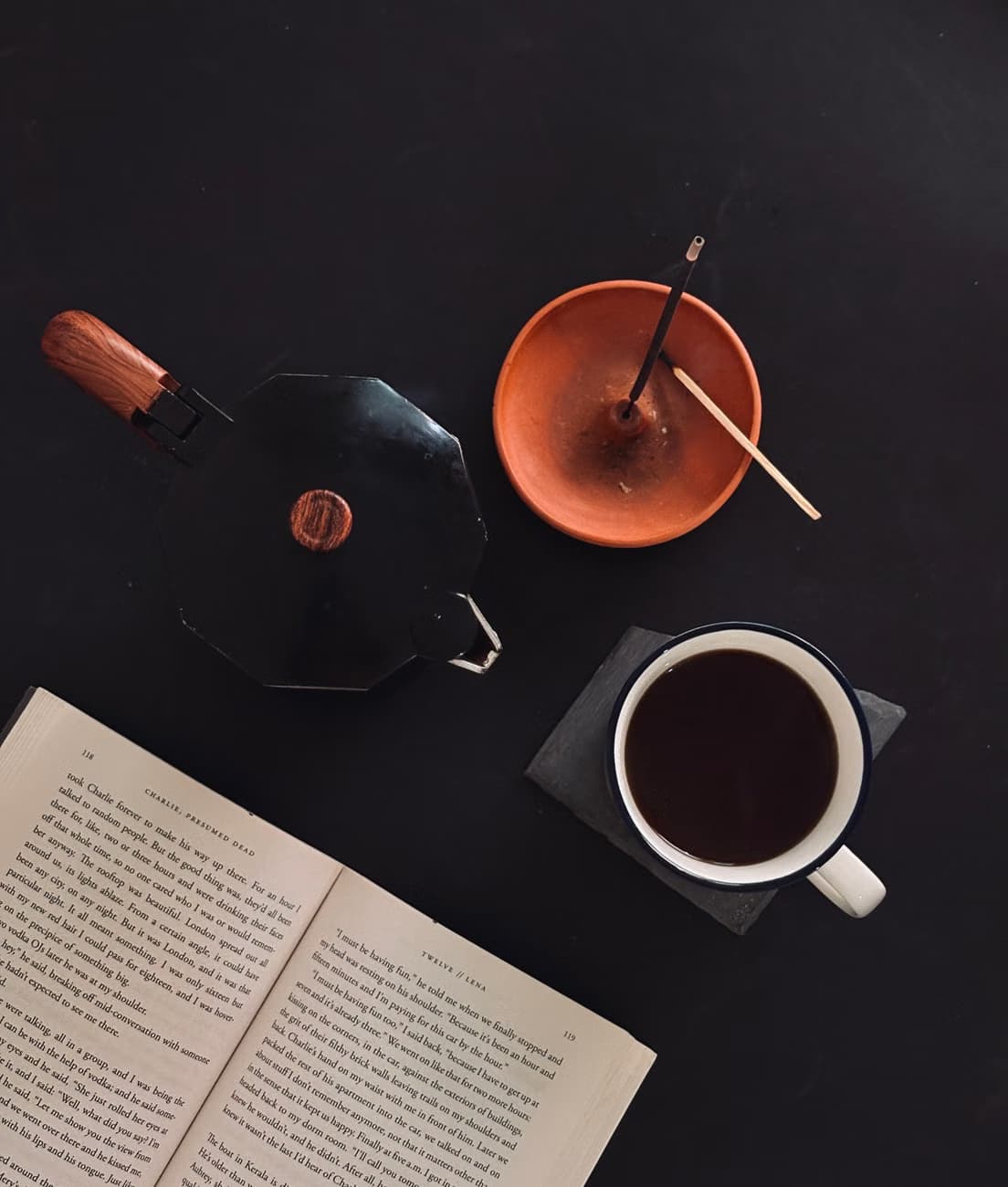
wood Dhoop Cup

SOHAM ENTERPRISES
india
Description
The cups emit a real authentic fragrance that gives you a very soothing spiritual feeling and helps to remove negative energy from home. Calms the mind and gives a feeling of aromatic therapy. Remove Negetivity, For Pooja Use, For Removing Mosquito, For Fragrance And Many More.
Location
india
Origin
India
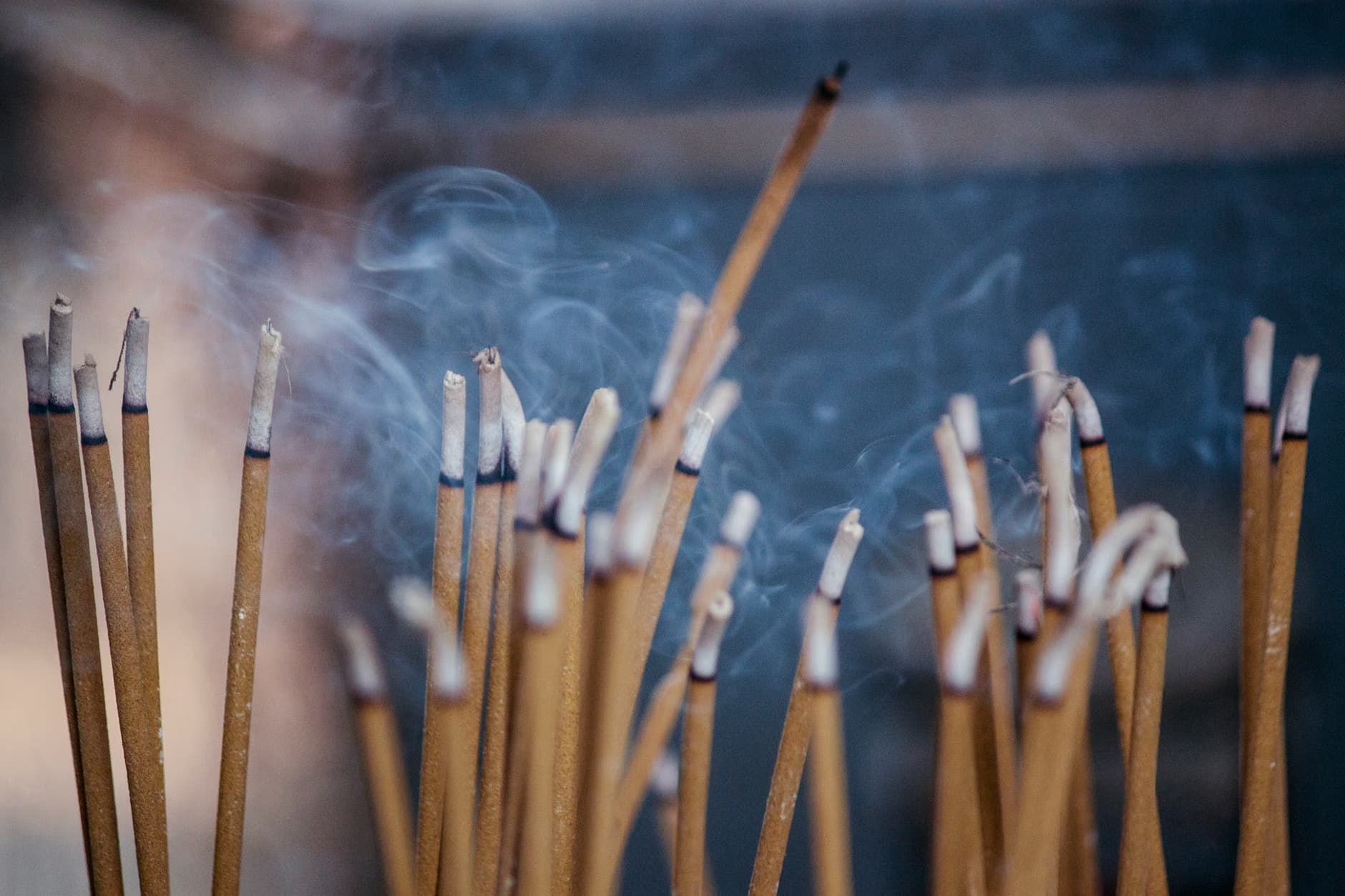
Incense sticks for various fragrances and uses
InterContinent Business Solutions Private Limited
Paradeep
Description
We are the leading supplier of Incense Bamboo Sticks used to make different aroma incense sticks.
Location
Paradeep
Origin
India
Incense sticks for various fragrances and uses
InterContinent Business Solutions Private Limited
Apr 12, 2023
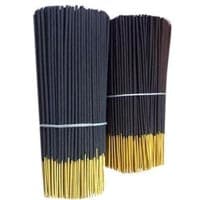
Agarbatti
Y A industries
NEW DELHI
Description
Agarbatti or Incense is an aromatic material that releases fragrant smoke when burned. The fragrance is meant to calm your nerves and bring peace within your home and people. For example: If there are a lot of tiffs/arguments going on in a house, the best advice to do is burn an incense stick and then see the magic
Location
NEW DELHI
Origin
India
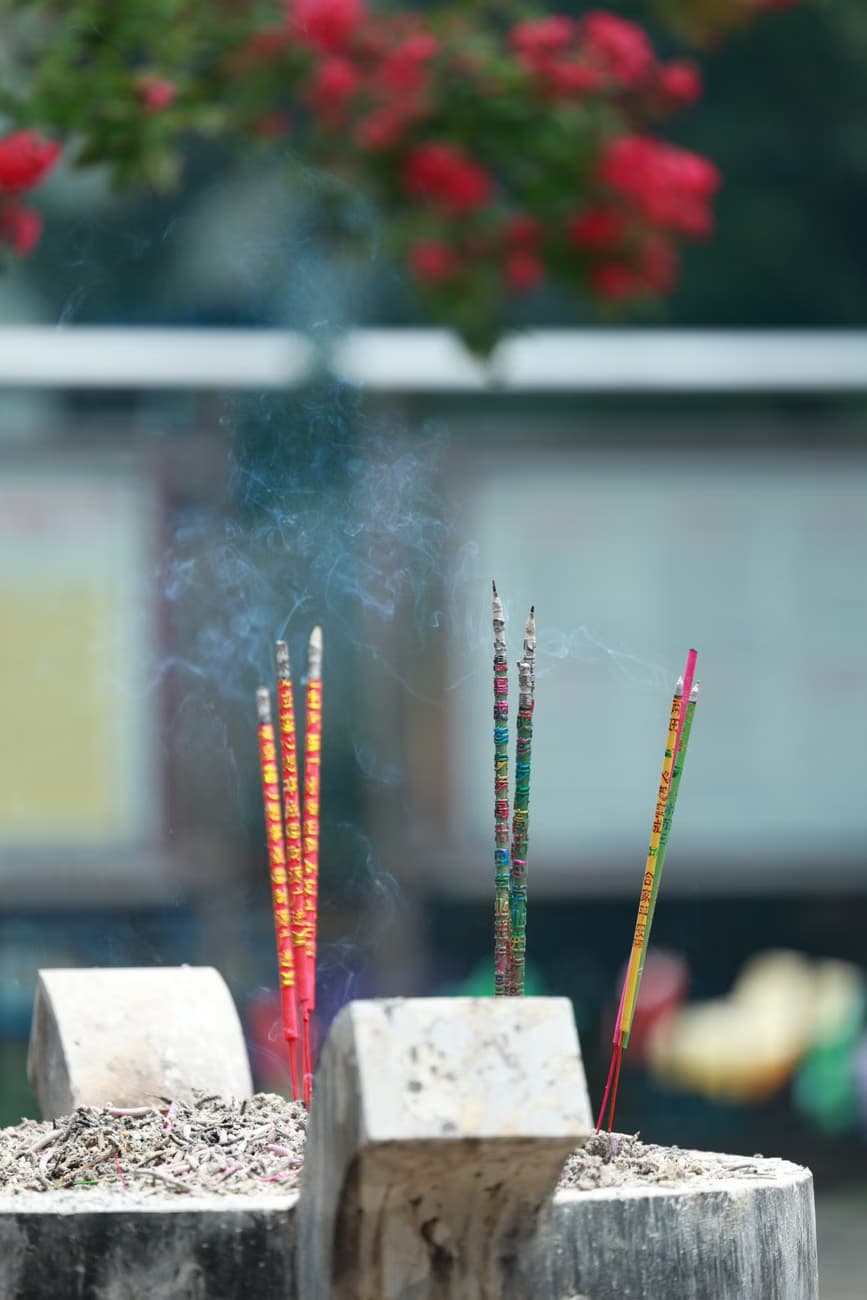
INCENSE STICKS
Enrich Global
NAGPUR
Description
Incense is aromatic biotic material that releases fragrant smoke when burnt. The term is used for either the material or the aroma.Incense is used for aesthetic reasons, religious worship, aromatherapy, meditation, and ceremony. It may also be used as a simple deodorant or insect repellent.
Location
NAGPUR
Origin
India
Loban Dhoop Cup
SOHAM ENTERPRISES
india
Description
Loban Cup is also called as Sambrani Dhoop and is the finest energy purifier of atmosphere within your home/office. Loban fumes is a traditional and spiritual secret in India to uplift the positive energy level. It has been used for centuries by saints and kings
Location
india
Origin
India
Agarbatti
Y A industries
NEW DELHI
Description
Agarbatti or Incense is an aromatic material that releases fragrant smoke when burned. The fragrance is meant to calm your nerves and bring peace within your home and people. For example: If there are a lot of tiffs/arguments going on in a house, the best advice to do is burn an incense stick and then see the magic
Location
NEW DELHI
Origin
India
Loban Dhoop Sticks
SOHAM ENTERPRISES
india
Description
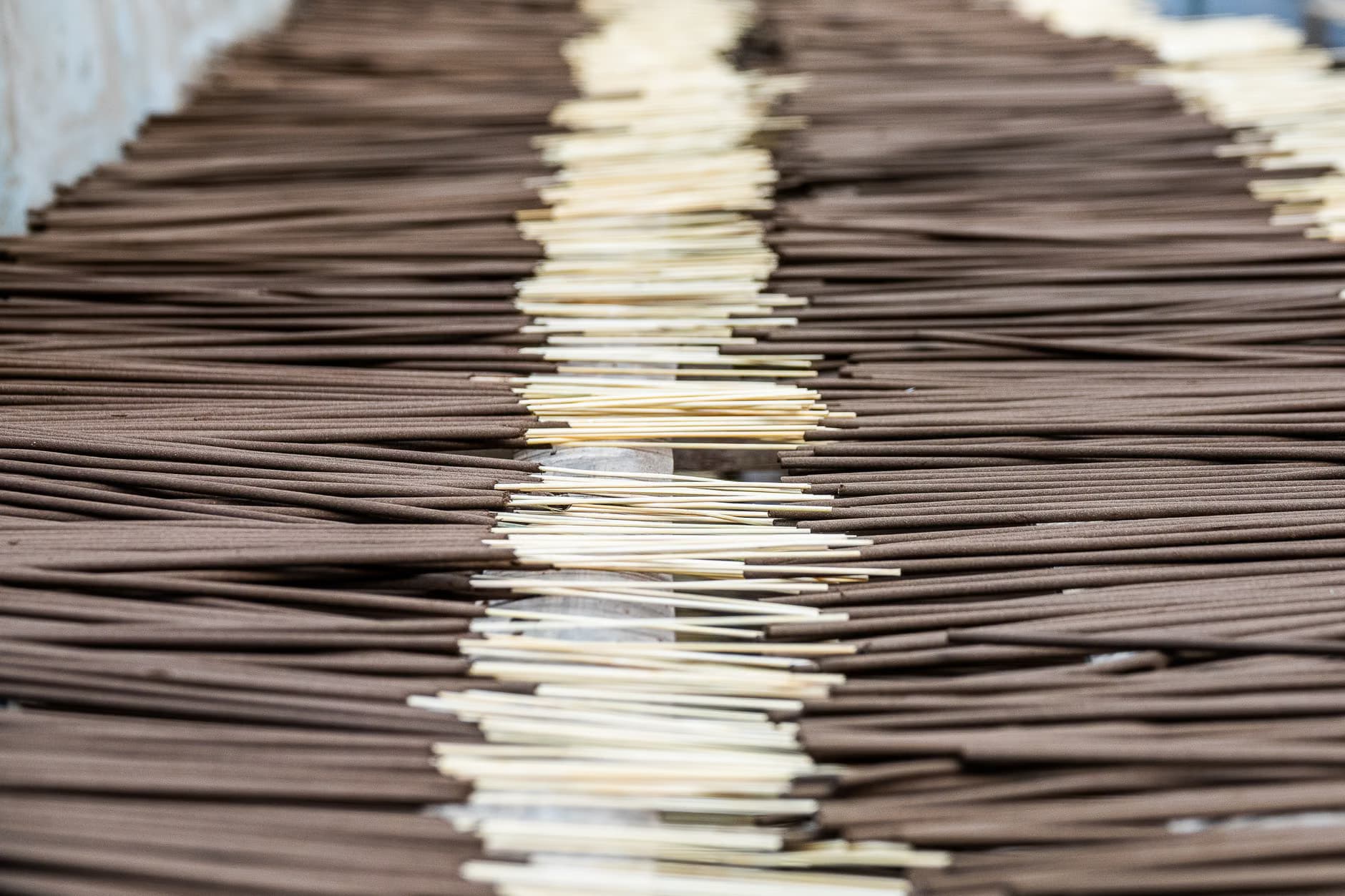
Burning loban dhoop sticks releases smoke which is believed to draw out the bad vibes while instilling fresh positive energy. This ancient practice is still widely used today to create sacred spaces, cleanse the air, and bring about peace and harmony
Location
india
Origin
India
Heena Agarbatti Sticks
SOHAM ENTERPRISES
india
Description
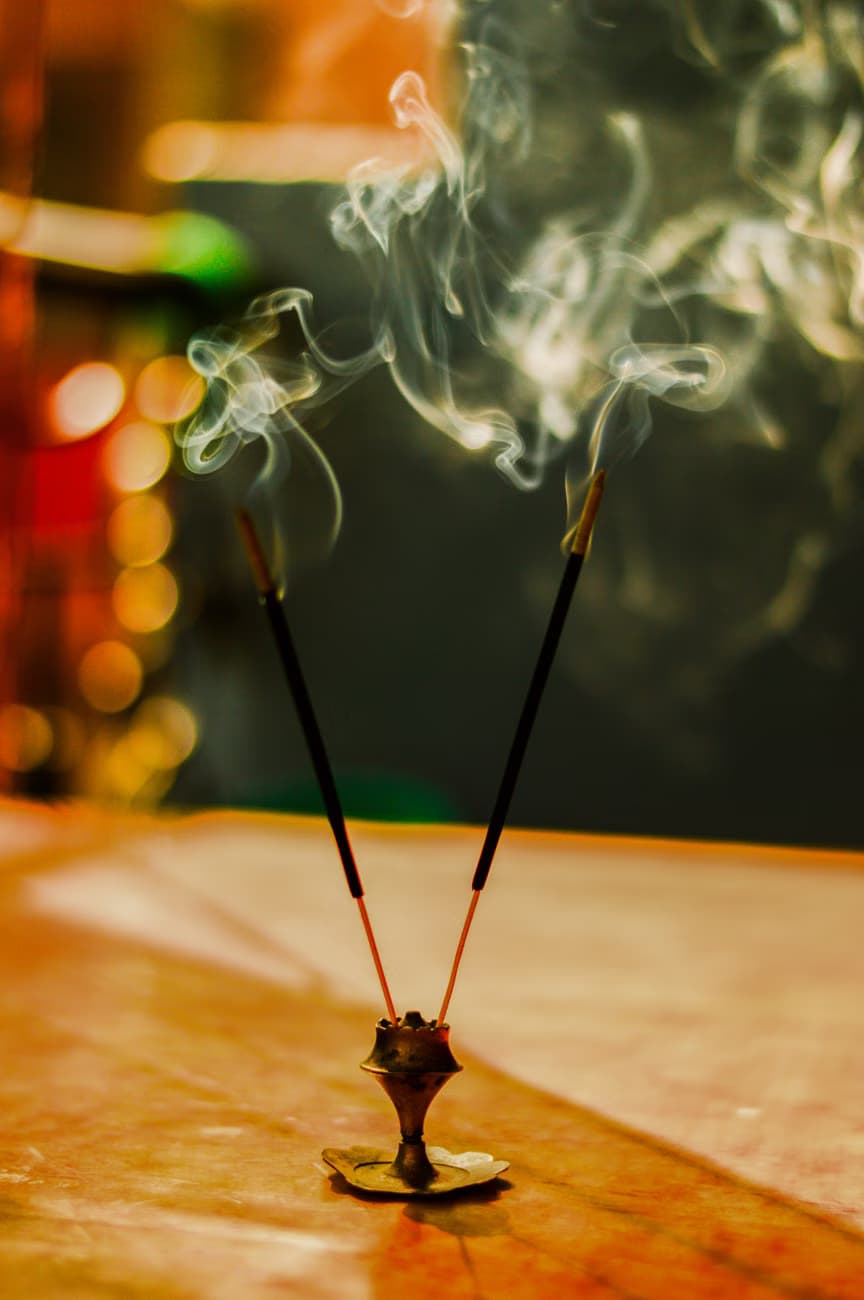
Heena incense sticks have a cheering and uplifting aroma that promotes happiness. It energises positivity, auspiciousness, and prosperity in your atmosphere. The fragrance of heena is well known for its stress-relieving properties, which makes it a perfect choice for your aromatic therapy
Location
india
Origin
India
Brass Pooja Thali Set
m/s prime pules manufacturing
moradabad , India
Description
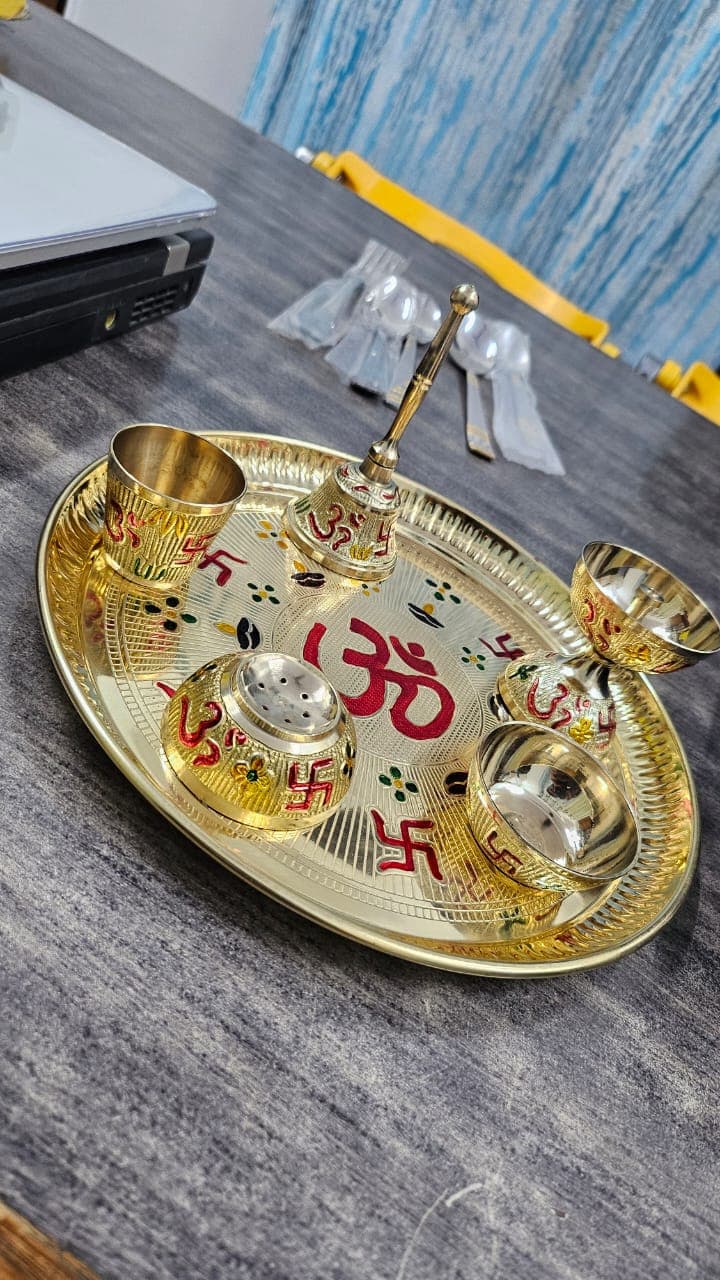
Our Brass Pooja Thali Sets are designed for daily puja, Diwali, weddings, festivals, religious ceremonies, housewarming functions, and traditional gifting. Each set is created with attention to design, finishing, functionality, and presentation, making it suitable for both personal use and premium gifting.
Location
moradabad , India
Origin
India
Agarbatti
Shri L G Products
Madhya Pradesh
Description
Shri L G Products offers premium-quality Agarbatti made from carefully selected natural ingredients and soothing fragrances that create a peaceful, spiritual, and refreshing atmosphere. Our incense sticks are designed to provide long-lasting aroma and smooth burning, making them ideal for daily prayers, meditation, relaxation, and religious ceremonies.
Location
Madhya Pradesh
Origin
India
Quality Matchbox
Haduram goods pvt. Ltd.
37/A, Khagra, Bildhar Lane, Berhampore, Murshidabad, West Bengal, India-742103
Description
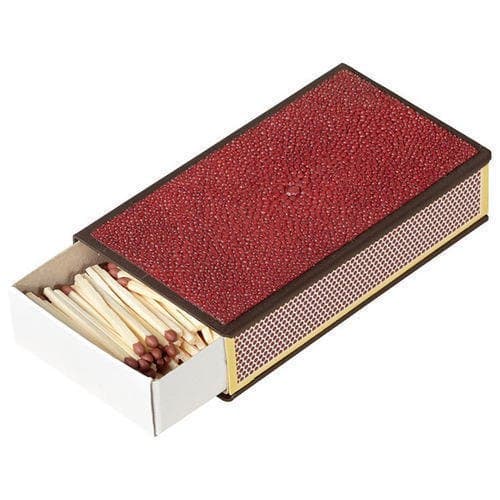
Our matchboxes are designed to offer reliability and safety, making them an essential item in every household and commercial setting. Haduram Goods Pvt. Ltd. ensures that each matchbox is crafted with precision and care, providing you with a dependable lighting solution. Our matchboxes are made from high-quality materials, ensuring a longer shelf life and a safe ignition every time. Trust us for your everyday needs and special occasions.
Location
37/A, Khagra, Bildhar Lane, Berhampore, Murshidabad, West Bengal, India-742103
Origin
India
Jameson Dhoop Sticks
Shree Khatushyamji Group Khatu
India
Description
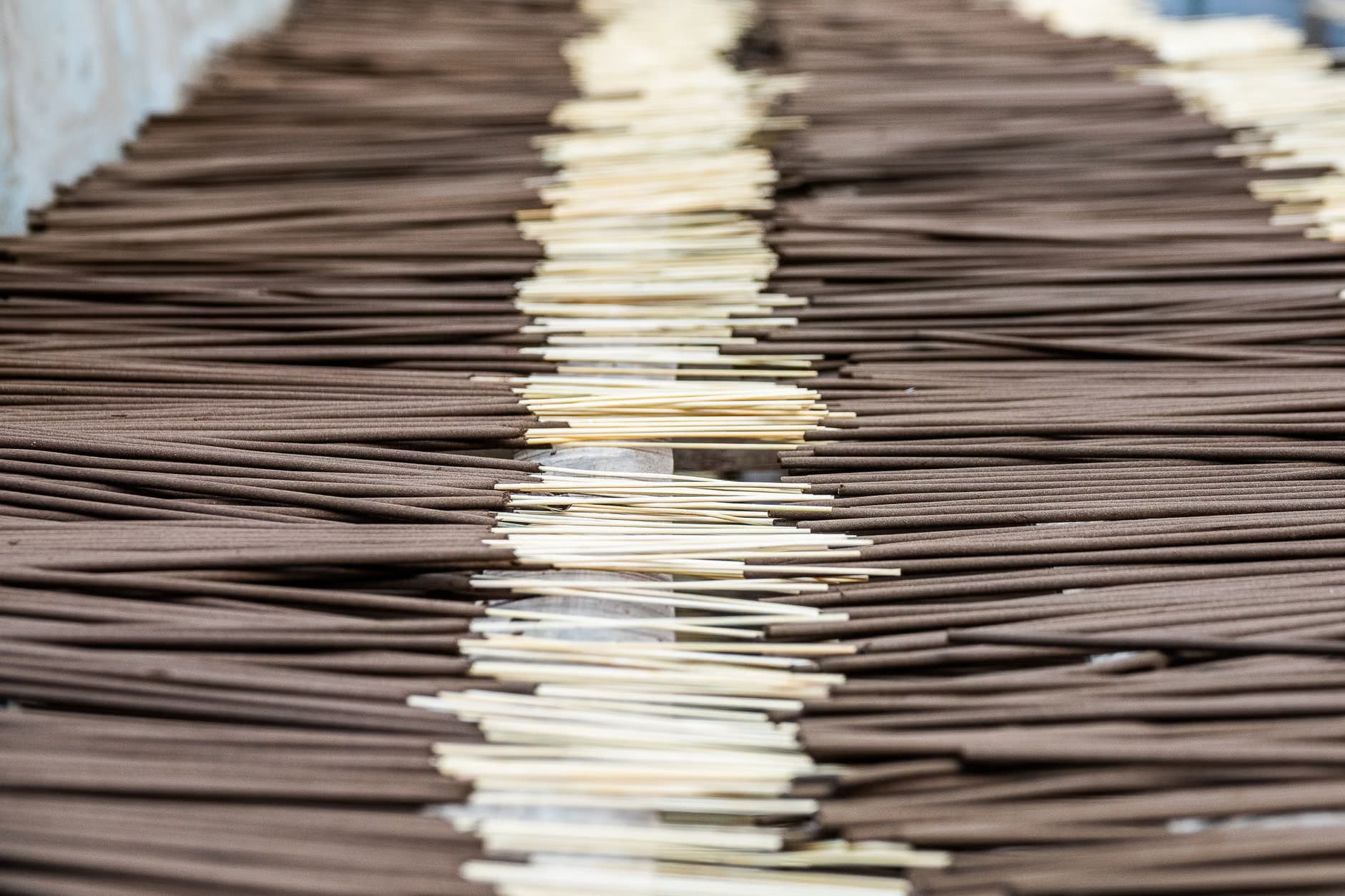
The basic ingredients of an incense stick are bamboo sticks, paste (generally made of charcoal dust or sawdust and joss/jiggit/gum/tabu powder – an adhesive made from the bark of litsea glutinosa and other trees),[5] and the perfume ingredients – which traditionally would be a masala (powder of ground ingredients),[5] though more commonly is a solvent of perfumes and/or essential oils.[6] After the base paste has been applied to the bamboo stick, it is either, in the traditional method, while still moist, immediately rolled into the masala, or, more commonly, left for several days to dry, and then dipped into the scented solvent. Various resins, such as amber, myrrh, frankincense, and halmaddi (the resin of a tree) are used in traditional masala incense,[7] usually as a fragrant binding ingredient,[8] and these will add their distinctive fragrance to the finished incense. Some resins, such as gum Arabic,[9] may be used where it is desirable for the binding agent to have no fragrance of its own. Halmaddi has a particular interest to Western consumers,[10] possibly through its association with the popular Satya Nag Champa.[11] It is an earth coloured liquid resin drawn from the Ailanthus triphysa tree; as with other resins, it is a viscous semi-liquid when fresh, it hardens to a brittle solid as it evaporates and ages.[12] Some incense makers mix it with honey in order to keep it pliable. Due to crude extraction methods which resulted in trees dying, by the 1990s the Forest Department in India had banned resin extraction;[13] this forced up the price of halmaddi, so its usage in incense making declined. In 2011, extraction was allowed under leasing agreements,[14] which increased in 2013, though production is still sufficiently limited for the resin to sometimes be stolen via improper extraction to be sold on the black market.[15] The oldest source on incense is the Vedas, specifically, the Atharva-veda and the Rigveda, which set out and encouraged a uniform method of making incense. Although Vedic texts mention the use of incense for masking odours and creating a pleasurable smell, the modern system of organized incense-making was likely created by the medicinal priests of the time. Thus, modern, organized incense-making is intrinsically linked to the Ayurvedic medical system in which it is rooted.[16] The method of incense making with a bamboo stick as a core originated in India at the end of the 19th century, largely replacing the rolled, extruded or shaped method which is still used in India for dhoop and cones, and for most shapes of incense in Nepal/Tibet and Japan. Other main forms of incense are cones and logs and benzoin resin (or sambrani), which are incense paste formed into pyramid shapes or log shapes, and then dried.
Location
Origin
India
insence stick
hitesh coin centre
alwar
Description
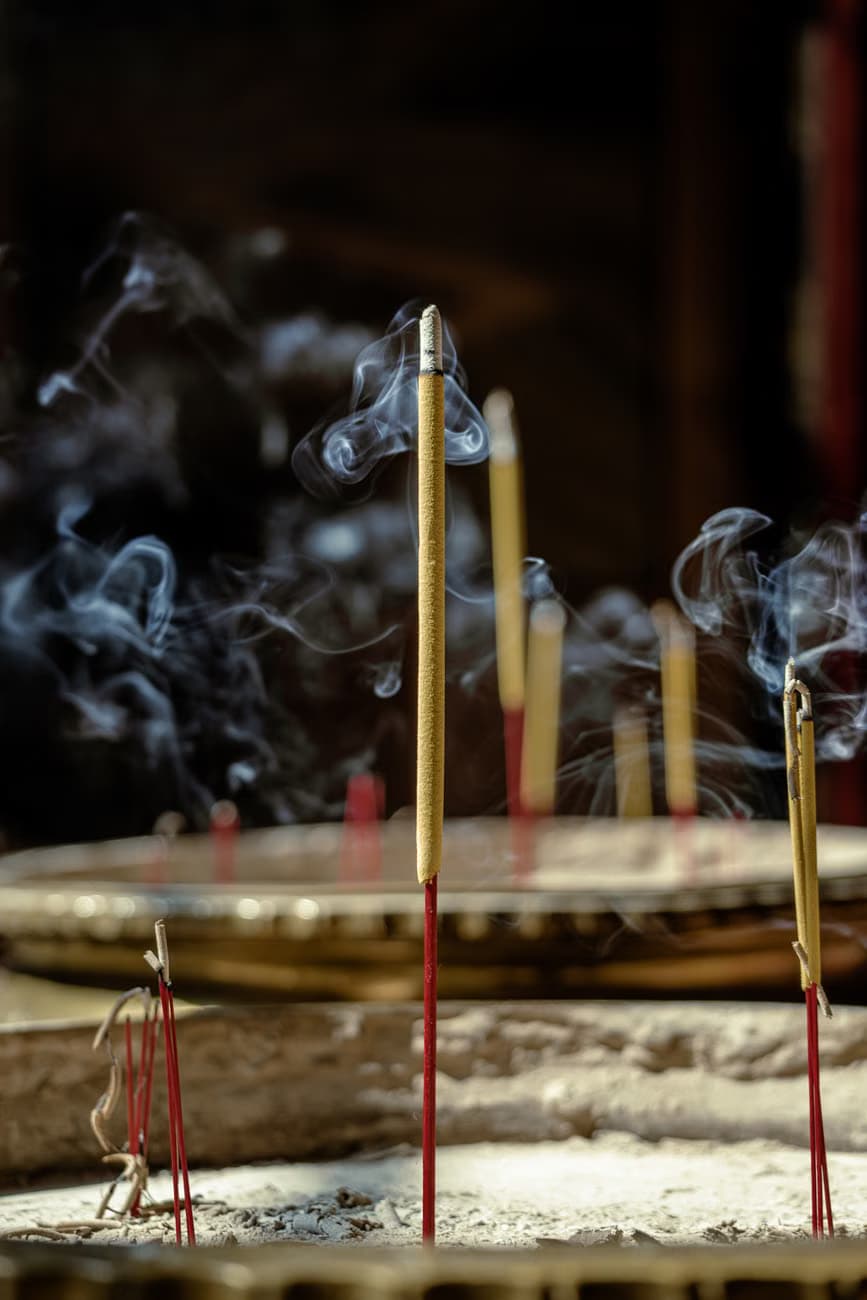
They present a soothing fragrance to space. They are considered holy as per traditions. It freshens the air and is offered as a respect to the deities. Incense sticks are known to bring compassion and positivity to the Pooja routine. Make incense sticks a part of your pooja and meditation routine to make them more interesting. Agarbattis leave a calming effect and interesting aroma when they are lit. The fragrance is sure to make your mornings and evenings into something to look forward too. It brings a zest of its own. They present a soothing fragrance to space. They are considered holy as per traditions. It freshens the air and is offered as a respect to the deities. Incense sticks are known to bring compassion and positivity to the Pooja routine. Make incense sticks a part of your pooja and meditation routine to make them more interesting. Agarbattis leave a calming effect and interesting aroma when they are lit. The fragrance is sure to make your mornings and evenings into something to look forward too. It brings a zest of its own.
Location
alwar
Origin
India
Khatu Shyam Dhoop Sticks
Shree Khatushyamji Group Khatu
India
Description
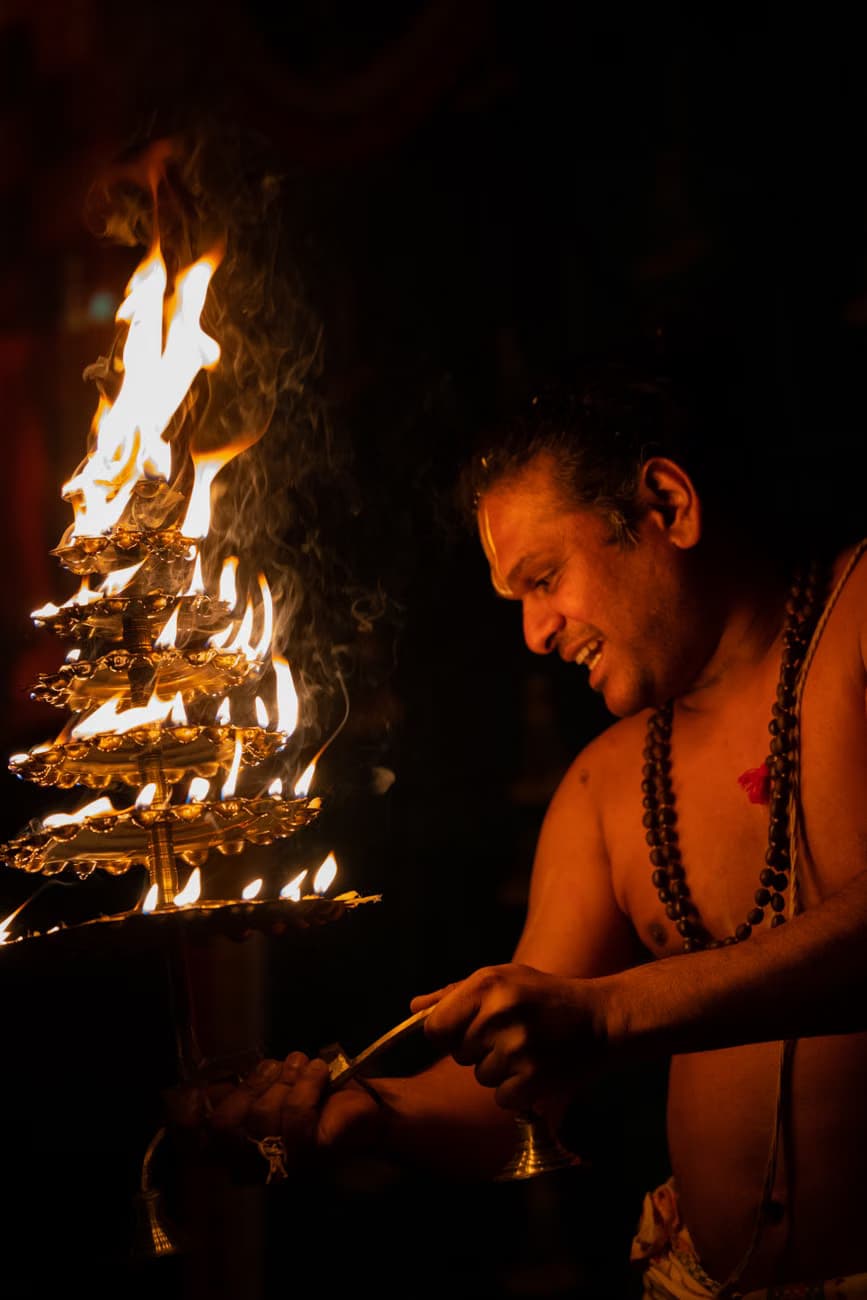
Dhupa (धुप) is, in Indian religions (such as Hinduism, Buddhism, Jainism, etc.), the ritual offering of incense during puja to an image of a deity, or other object of veneration. It is also the Sanskrit word for incense or perfume itself. The Thai language also borrows this word from Sanskrit to call joss sticks or incense sticks, by omitting "a" in the word Dhupa. So, the word retains the Sanskrit form when it is written in the Thai alphabet as "Dhup" (ธูป). However, Sanskrit's ⟨dh⟩ ([dʱ]) is pronounced as an aspirated [tʰ] in Thai so that the word is normally pronounced or transliterated as "Thup" ([tʰûːp]). Incense burning before images, in temples and during prayer practice is also found in many parts of Asia, among followers of Jainism, Sikhism, Buddhism and Taoism. The very idea of offering dhupa is personified in the dakini Dhupa, who is said in the Bardo Thödol to appear on the third day.[1]
Location
Origin
India
mosquito agarbatti
hitesh coin centre
alwar
Description
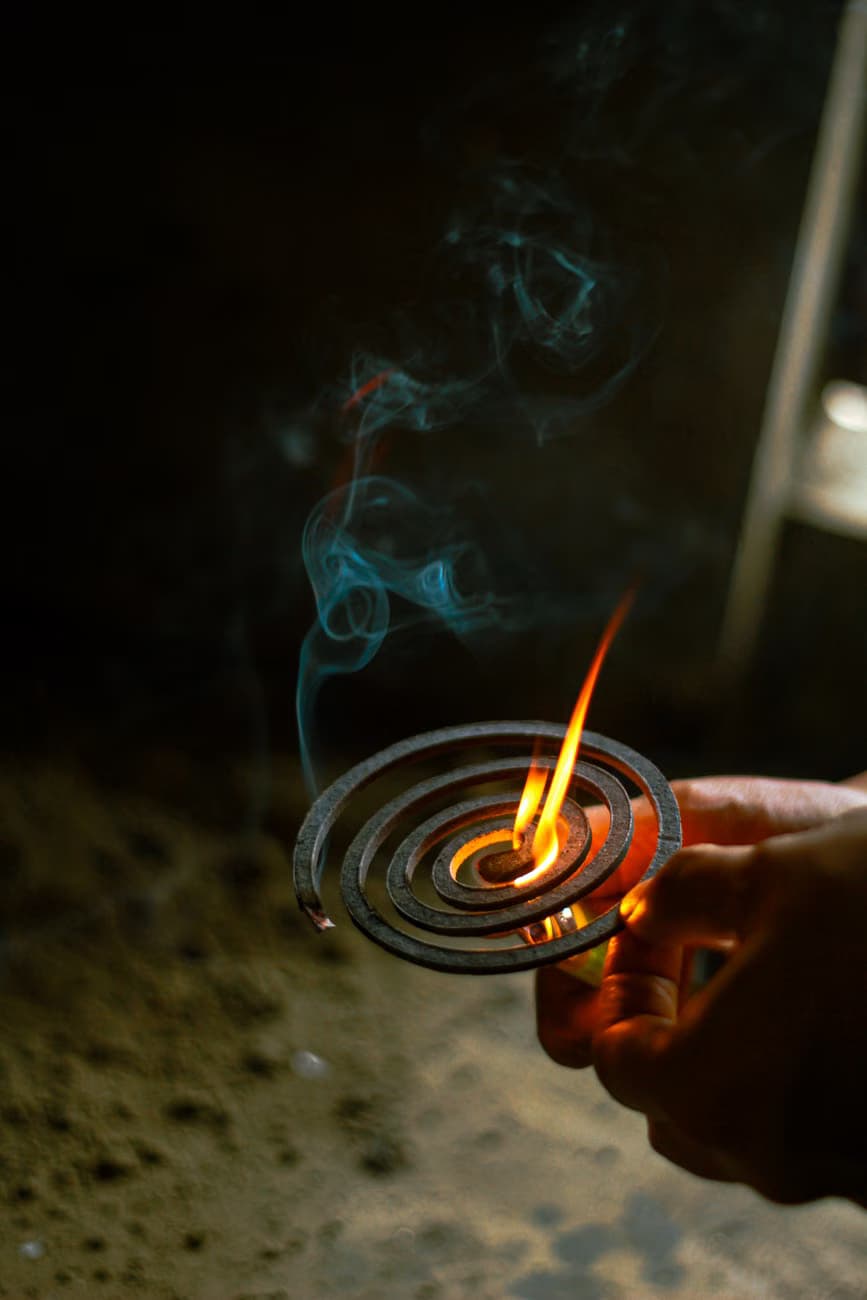
hitesh coin centre mosquto incense stick fregnance sticks for aromatherapy elevates body, mind and spirit. Light it in the evening for calm and stress-free environment. They present a soothing fragrance to space. They are considered holy as per traditions. It freshens the air and is offered as a respect to the deities. Incense sticks are known to bring compassion and positivity to the Pooja routine. Make incense sticks a part of your pooja and meditation routine to make them more interesting. Agarbatti is leave a calming effect and interesting aroma when they are lit. The fragrance is sure to make your mornings and evenings into something to look forward too. It brings a zest of its own.
Location
alwar
Origin
India
Khatu Shyam Dhoop Cone
Shree Khatushyamji Group Khatu
India
Description
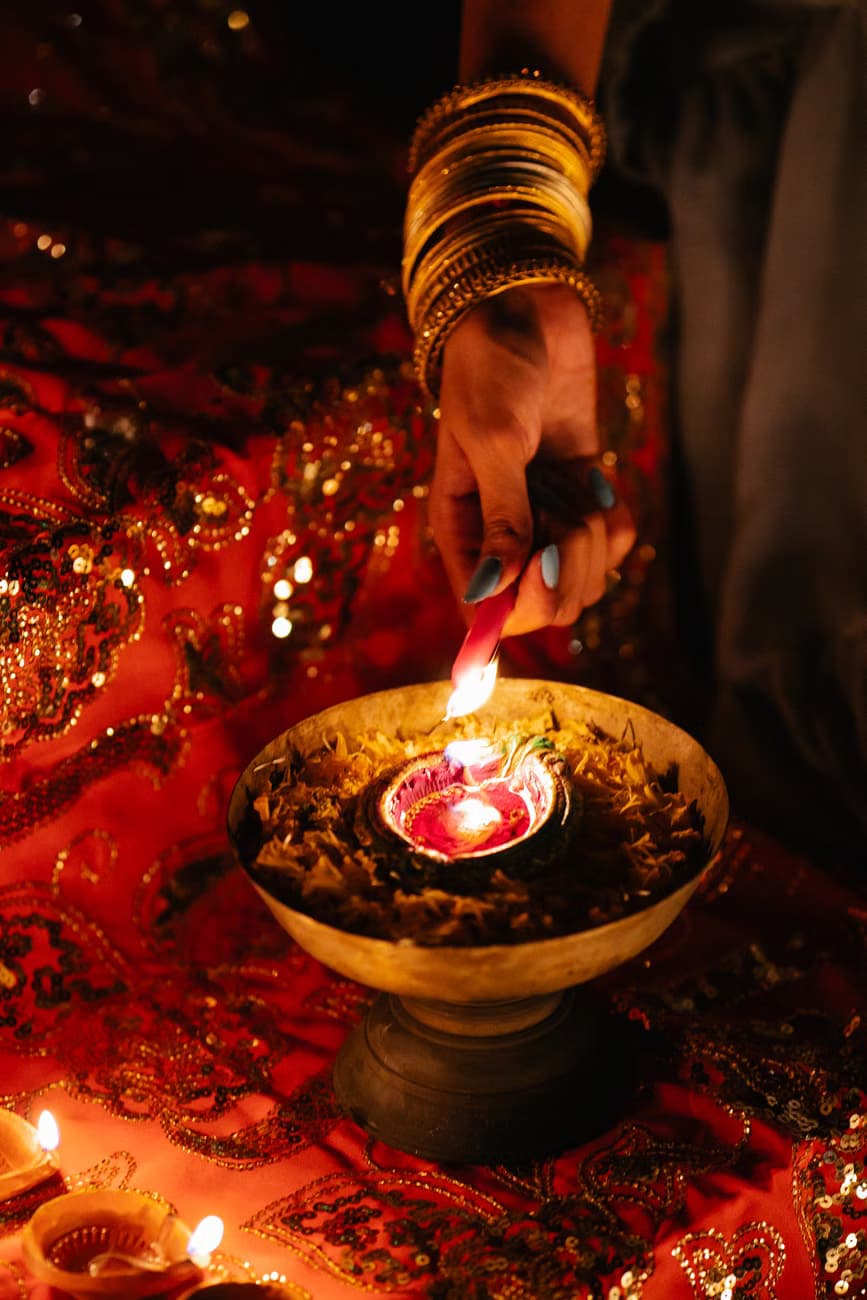
The basic ingredients of an incense stick are bamboo sticks, paste (generally made of charcoal dust or sawdust and joss/jiggit/gum/tabu powder – an adhesive made from the bark of litsea glutinosa and other trees),[5] and the perfume ingredients – which traditionally would be a masala (powder of ground ingredients),[5] though more commonly is a solvent of perfumes and/or essential oils.[6] After the base paste has been applied to the bamboo stick, it is either, in the traditional method, while still moist, immediately rolled into the masala, or, more commonly, left for several days to dry, and then dipped into the scented solvent. Various resins, such as amber, myrrh, frankincense, and halmaddi (the resin of a tree) are used in traditional masala incense,[7] usually as a fragrant binding ingredient,[8] and these will add their distinctive fragrance to the finished incense. Some resins, such as gum Arabic,[9] may be used where it is desirable for the binding agent to have no fragrance of its own. Halmaddi has a particular interest to Western consumers,[10] possibly through its association with the popular Satya Nag Champa.[11] It is an earth coloured liquid resin drawn from the Ailanthus triphysa tree; as with other resins, it is a viscous semi-liquid when fresh, it hardens to a brittle solid as it evaporates and ages.[12] Some incense makers mix it with honey in order to keep it pliable. Due to crude extraction methods which resulted in trees dying, by the 1990s the Forest Department in India had banned resin extraction;[13] this forced up the price of halmaddi, so its usage in incense making declined. In 2011, extraction was allowed under leasing agreements,[14] which increased in 2013, though production is still sufficiently limited for the resin to sometimes be stolen via improper extraction to be sold on the black market.[15] The oldest source on incense is the Vedas, specifically, the Atharva-veda and the Rigveda, which set out and encouraged a uniform method of making incense. Although Vedic texts mention the use of incense for masking odours and creating a pleasurable smell, the modern system of organized incense-making was likely created by the medicinal priests of the time. Thus, modern, organized incense-making is intrinsically linked to the Ayurvedic medical system in which it is rooted.[16] The method of incense making with a bamboo stick as a core originated in India at the end of the 19th century, largely replacing the rolled, extruded or shaped method which is still used in India for dhoop and cones, and for most shapes of incense in Nepal/Tibet and Japan. Other main forms of incense are cones and logs and benzoin resin (or sambrani), which are incense paste formed into pyramid shapes or log shapes, and then dried.
Location
Origin
India
Khatu Shyam Incense Sticks
Shree Khatushyamji Group Khatu
India
Description
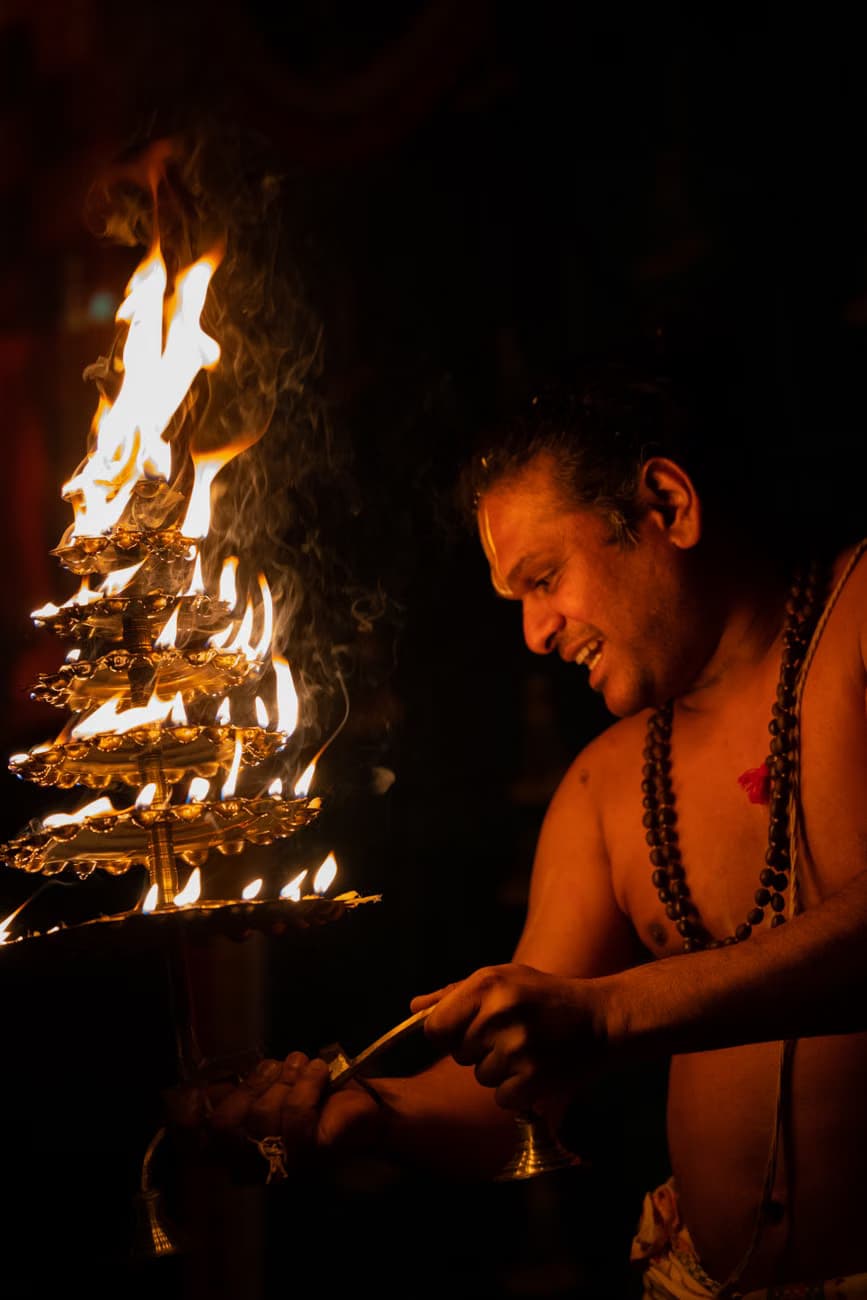
Incense is aromatic biotic material that releases fragrant smoke when burnt. The term is used for either the material or the aroma.[1] Incense is used for aesthetic reasons, religious worship, aromatherapy, meditation, and ceremony. It may also be used as a simple deodorant or insect repellent.[2][3][4][5] Incense is composed of aromatic plant materials, often combined with essential oils.[6] The forms taken by incense differ with the underlying culture, and have changed with advances in technology and increasing number of uses.[7] Incense can generally be separated into two main types: "indirect-burning" and "direct-burning". Indirect-burning incense (or "non-combustible incense") is not capable of burning on its own, and requires a separate heat source. Direct-burning incense (or "combustible incense") is lit directly by a flame and then fanned or blown out, leaving a glowing ember that smoulders and releases a smoky fragrance. Direct-burning incense is either a paste formed around a bamboo stick, or a paste that is extruded into a stick or cone shape.
Location
Origin
India